

Physiological Effects of Antidepressants Compared
This systematic review and network meta-analysis looked at the effects of antidepressants on physiometabolic parameters such as weight, heart rate, blood pressure, total cholesterol, and creatinine. The sample included > 58,500 participants across 151 studies and 17 FDA reports, comparing 30 antidepressants against placebo for a median treatment period of 8 weeks. A variety of psychiatric conditions were eligible for inclusion beyond major depressive disorder, such as anxiety disorders, schizophrenia, and bipolar disorder.
Key Findings
Clinically relevant alterations for certain antidepressants included changes in blood pressure, heart rate, and weight. A sample of the clinically relevant results are included below:
| Parameter | Strong evidence of effect |
|---|---|
| Increased diastolic blood pressure | Amitriptyline, desvenlafaxine, duloxetine, imipramine, and venlafaxine |
| Increased total cholesterol | Desvenlafaxine, duloxetine, paroxetine, and venlafaxine |
| Increase in glucose | Duloxetine |
Strong evidence was not found for any clinically significant impacts on QTc, or concentrations of creatinine, potassium, sodium, and urea. No evidence was found for the physiological changes being influenced by sex of the patient.
Limitations
- Some of the limitations raised are that gaps exist in the evidence base, with little reporting of metabolic outcomes and it is unknown if the physiological effects caused by antidepressants are sustained over time.
Brief Updates

Screening for Depression
- The Canadian Task Force on Preventative Health Care has published an update to their guideline on Depression in Adults regarding screening. The key recommendation is to not screen adults for depression using a questionnaire (strong recommendation, very low-certainty evidence).
- The recommendation does not apply to adult patients with a current diagnosis of depression, personal history of depression, an elevated risk of depression, or anyone a clinician suspects has depression or another mental health disorder.
- Good clinical care includes clinicians asking about well-being and being alert to signs and symptoms of depression.
Once-weekly Insulin Effectiveness
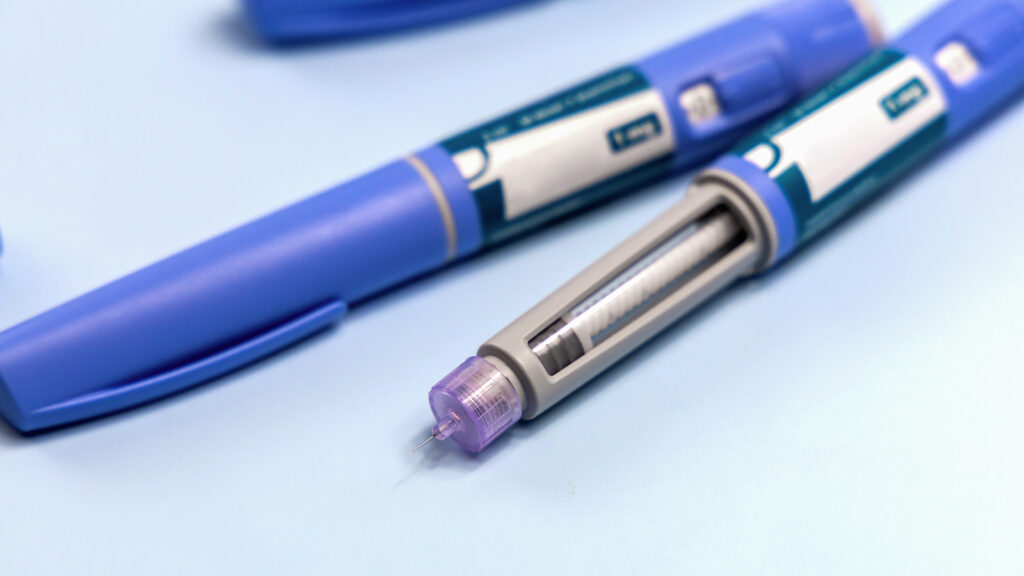
- The Tools for Practice article Long shot: Can weekly insulin replace daily doses? concludes that for lowering HbA1c in cases of type 2 diabetes, once-weekly insulin icodec has the same effectiveness as daily long-acting insulin (degludec or glargine). This was based on evidence from 11 systematic reviews of RCTs. RCTs were industry funded.
- The authors noted that for certain cases (e.g., acute illness, elderly patients) the data on prolonged or severe hypoglycemia risk and management is lacking.

Resource: Evaluating Open Educational Resources for Medical Education
- FMPE modules are an excellent source of evidence-based, peer-reviewed content to help make decisions around patient care. However, we often need to look at alternate sources for information, including open educational resources (e.g., blog posts, infographics, videos, social media posts, podcasts). How do we evaluate these resources for clinical use?
- A recently published editorial provides a guide to systematically evaluate open educational resources by looking at content, credibility, and design:
- Is the creator identifiable?
- Is the creator credible? Consider their expertise and any conflict of interest. A lack of a statement of conflict of interest is a concern.
- Are supporting primary references and peer-reviewed materials cited?
- Is it clear and organized?
- Does a formal editorial process exist, either pre- or post-publication? Credibility can be supported by the creator effectively responding to user comments.